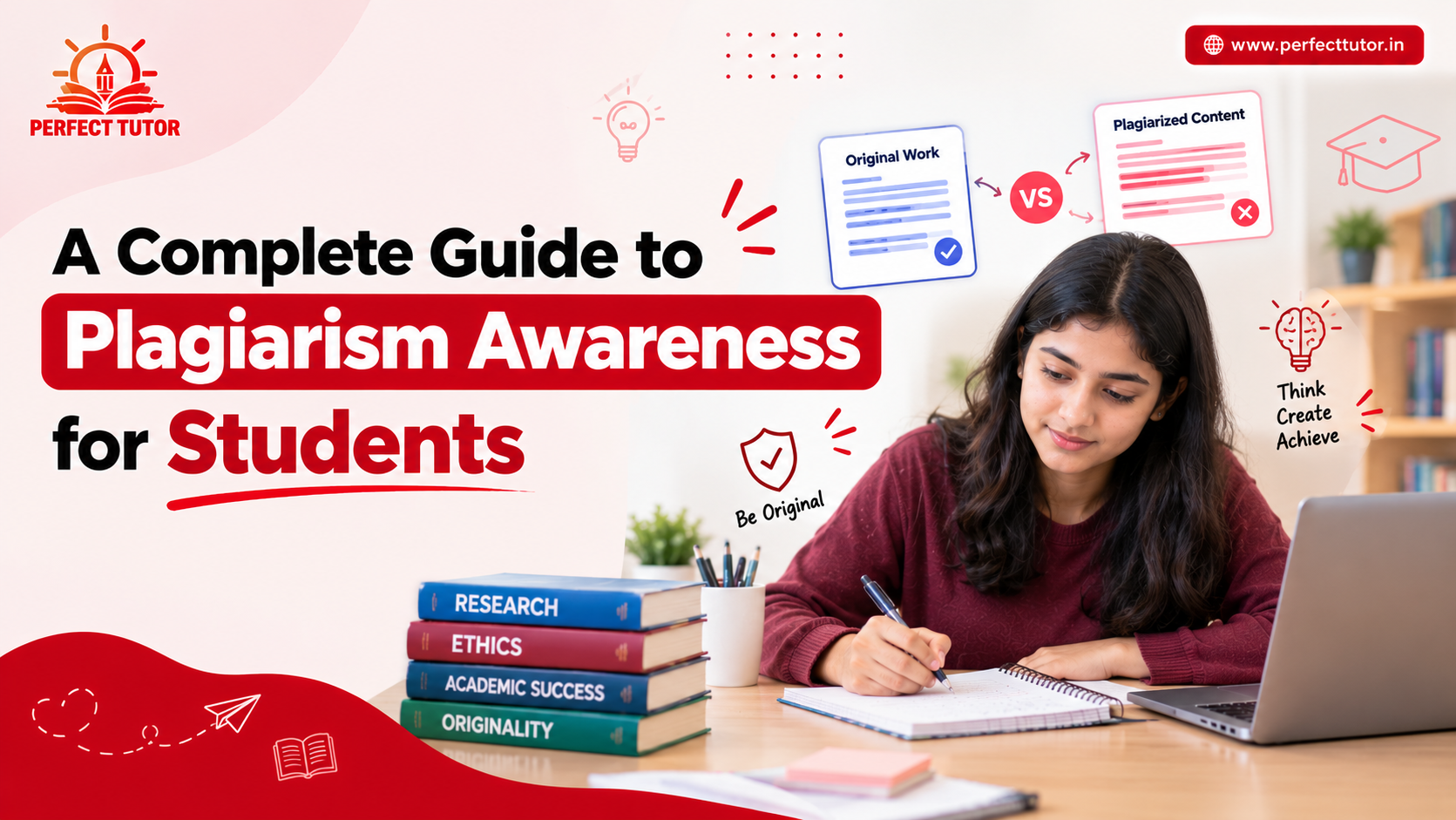
A Complete Guide to Plagiarism Awareness for Students
Learn plagiarism awareness with this complete student guide. Discover types, consequences, and prevention tips.
Plagiarism is one of the most frequent problems that students commit, sometimes inadvertently. Students think plagiarism is simply taking another person's words verbatim, but in reality, it encompasses many more aspects. Unattributed use of concepts, phrases, or research can negatively affect both your educational and private reputation. Institutions place considerable emphasis on plagiarism, as it encompasses integrity, hard work, and analysis.
As there is so much content on the web that students have access to, there have been chances of plagiarism by accident. Hence, the reason why students should be aware of what plagiarism actually is, what types there are, and how they can avoid it. This will serve as an important step to help you succeed in your class without resorting to what we have discussed here.
What Is Plagiarism?
Plagiarism refers to the use of words, ideas, findings, and creative work of other people without proper attribution or credit for their work. This is not only done by copying words verbatim. It is also plagiarism when students present improperly quoted sources or use work that was not entirely done by the student. Many cases occur unintentionally, especially when students are unaware of the rules of academic writing.
Different Types of Plagiarism
There are various types of plagiarism that many students engage in without even realizing it. Knowing these will help you stay safe before you submit your work.
Direct Plagiarism: The act of taking words verbatim from a source without using quotation marks or citation.
Self-Plagiarism: This involves the reuse of previous assignments submitted for another assignment without the instructor’s consent.
Patchwork plagiarism: Combining phrases from multiple sources and blending them with original text.
Accidental plagiarism: Forgetting quotes or misquoting a source because of poor note-taking.
How Plagiarism Harms Students?
The repercussions of plagiarism reach beyond the grade itself. An understanding of such consequences may lead the student to understand the importance of originality and the importance of ethical writing.
Academic Penalties and Loss of Grades
In most institutions, there is a policy on plagiarism. Many students are penalized by getting lower grades, while others are referred to some form of academic probation. In some cases, students are even suspended from school.
Damage to Reputation and Confidence
If a student is ever found to be plagiarizing, it will tarnish their reputation. Even lecturers will be frustrated by what will happen, given that students will feel disappointed as well.
Weak Learning and Skill Development
A plagiarism problem can deprive a learner of the skills necessary for conducting research, writing, and critical thinking exercises. Instead, the learner is equipped with the skills of copying, thereby inhibiting growth and progress in learning.
How Students Can Avoid Plagiarism
They can only safeguard from plagiarism when they know ways to avoid it. So, our below tips will help students complete original assignments while following guidelines.
Understand Citation Rules
The rules of citation describe when and how a person should cite an idea, a fact, a quote, or any form of research that has come from a different source. Every writing format has a different set of rules that must be followed. In this case, either APA or MLA formatting rules are followed, according to which a person should cite.
Use the Paraphrasing Technique
Paraphrasing involves a more complex process compared to word substitution. Students must first interpret the source message and rewrite it in their own words and form, ensuring a complete and accurate representation that demonstrates a proper understanding of the message. Rephrasing a message to retain the original meaning while using a different expression minimizes plagiarism. A citation is necessary regardless of the need for a paraphrase.
Do Proper Research from Various Sources
Using a variety of reliable sources is an important step in avoiding plagiarism. Using just one source increases the likelihood that students will adopt ideas or wording without even realizing it. A deeper understanding can be achieved by researching any topics in books, academic journals, trusted websites, and expert articles. Therefore, it can compare different viewpoints and come up with your original ideas.
Check Your Content Similarities
Before submitting any assignment, taking a moment to run your work through an advanced plagiarism checker can make a real difference. It provides peace of mind by identifying unintentional similarities that may arise during research or note-taking. The tool compares the text with online sources, articles, and academic databases to identify matching words or sentences. It clearly highlights these areas, allowing students to rewrite and cite sources correctly. Students should use this online tool to check for content similarities. It will help them in reducing the risk of unintentional plagiarism and penalties.
Manage Time Effectively
Good time management reduces the pressure that often leads to plagiarism. Starting assignments early allows time for research, drafting, and revision. When students plan their work, they rely less on copying content. Proper scheduling encourages thoughtful writing and originality. Managing deadlines also helps students review sources carefully and apply correct citations without rushing.
Conclusion
Plagiarism awareness plays a crucial role in both academic and personal growth. When students understand the value of originality, they develop stronger writing habits and a clearer sense of responsibility. So, our discussed practices help students build trust, improve skills, and approach assignments with confidence. If you follow them, you can easily avoid penalties.